
Do you believe in the healing power of reading? Do you feel that your library could do more to help people in recovery from substance abuse? Is your library an innovator in these domains?
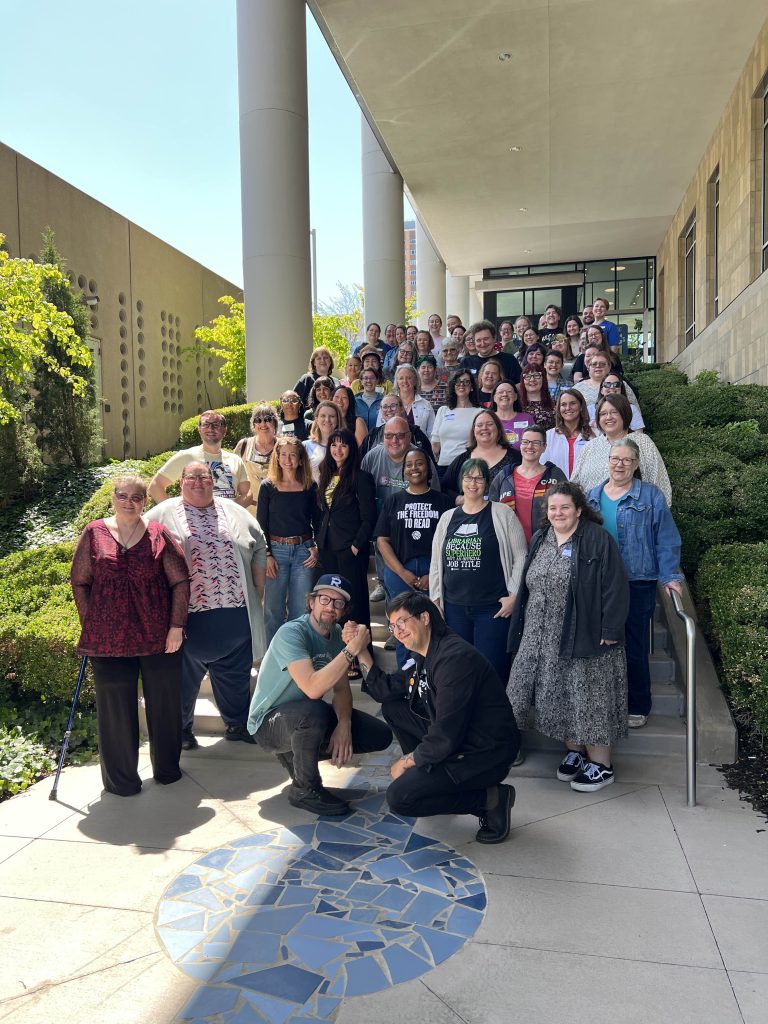
May 15 and 16, 2025, the Kansas City Public Library hosted a two-day national forum that brought together library staff and experts working in the interdisciplinary recovery field. The forum included five thematic units:
- Addiction and Recovery through the lens of harm reduction
- The Promise and the Shortfall of Bibliotherapy and the Power of Human Connection
- Using Library Collections and Reading Groups to Foster Connection
- Outreach and Marketing SUD/AUD programs to different demographic groups
- Libraries and Social Connections
Each unit was kicked off by an expert speaker followed by facilitated small-group discussions and brainstorming sessions. Contents of the sessions and contributions from participants are being used to create a working paper, followed by a freely available toolkit, which will be available on this site by Fall, 2026.
Learning Materials including presentations and resources, are available here.
The forum was funded by IMLS: IMLS Grant RE-256563-OLS-24; see Google Drive for the full proposal.
Content of Sessions
Note: All materials will be archived in the University of Missouri’s digital repository, MOSpace
Meet the Speakers
White Paper
This white paper presents the rationale, method, and results of a national forum that sought to introduce and/or reinforce library workers’ knowledge of and commitment to people in their communities who want to change their relationship with substances or who are affected by substance use disorder. Here, “substances” includes prescribed and non-prescribed drugs and alcohol. Public libraries have, for years, served as a community center or third space (Waters, 2023). In recent years, libraries have taken on a more prominent role in the wellness sector by hosting exercise classes and health screenings, serving as connectors to social services, and sometimes by employing social workers or peer navigators. While the health-related role is generally positively perceived, there are caveats regarding what libraries can do, how health-related services fit into the overall mission of the library, and how the presence of people with substance use disorder (SUD) affects the safety of the library space.